
Reclaiming Civic Engagement in an Age of Distrust
Jennifer Williams, Second Vice-President of SSENC
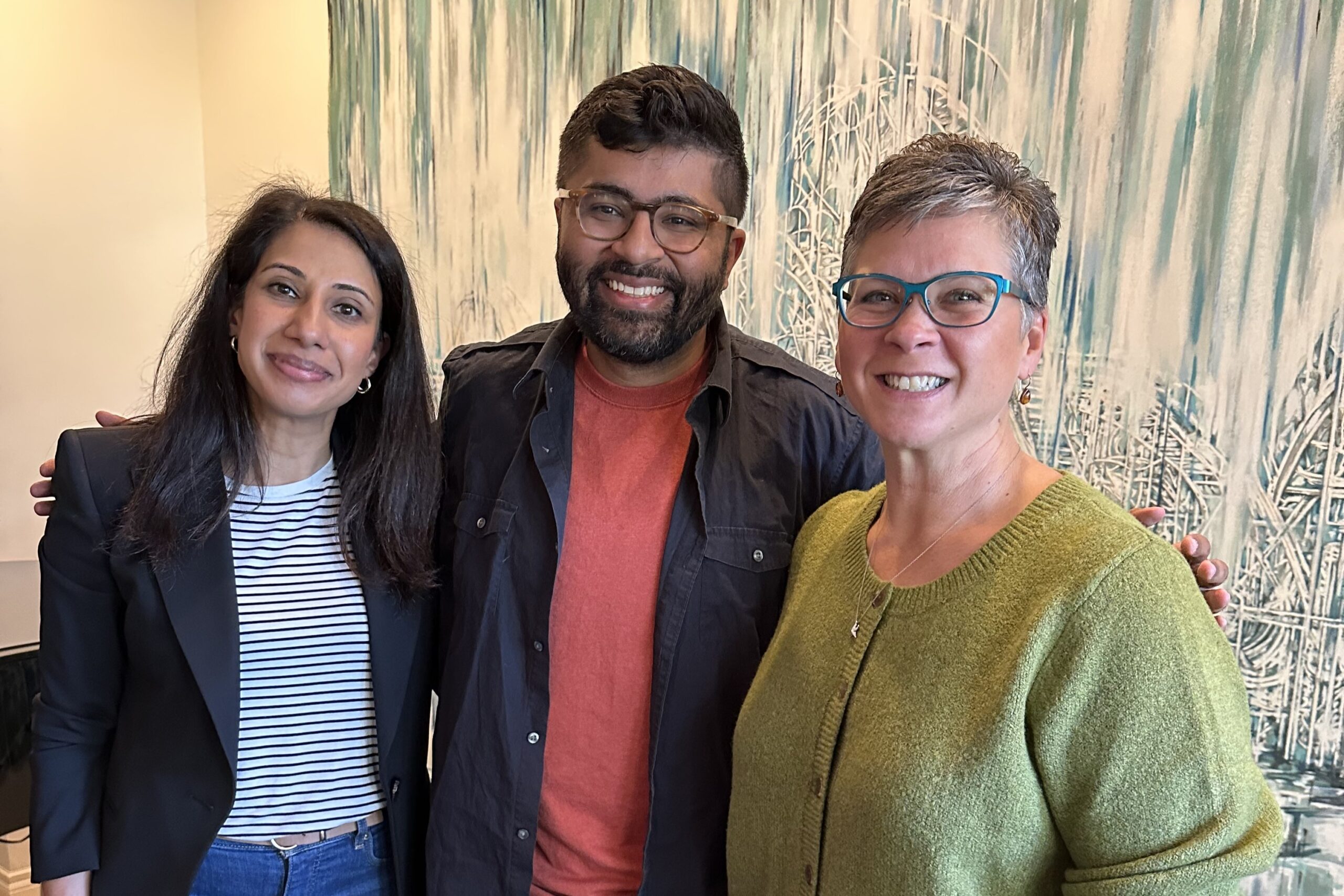
Recently, I attended an event in Calgary reminiscent of the French Revolutionary salons—small gatherings fostering spirited discussion. Our small group met in a private home to reflect upon the future of democracy in Canada. The discussion was anchored by Sabreena Delhon, CEO of the Samara Centre for Democracy, and Board Chair Zain Velji, who guided participants through a conversation that focused on three essential themes: expanding youth participation in democracy (including lowering the voting age), encouraging civic participation within diaspora communities through youth leadership, and revitalizing Canadians’ understanding of what it means to be civically engaged.
As a high school social studies teacher, I have long been an advocate for youth engagement. Yet the theme that continued to echo in my readings and conversations is our state of civic engagement. John Stuart Mill asserted that “the fact of living in society renders it indispensable that each should be bound to observe a certain line of conduct towards the rest” (Mill, On Liberty, 1859). Democracy depends not merely on institutions or rights but on the daily habits of mutual respect.
Unfortunately, those civic habits appear to be fraying. While digital technologies promised to democratize communication, they have instead amplified chronic outrage and mistrust, undermining the social capital that democratic life requires. As scholars of digital politics have noted, social media environments can foster partisan hostility that corrode trust in institutions (Iyengar & Westwood, 2015). Historically, similar patterns of polarization have paved the way for democratic backsliding.
Today, pluralism is giving way to populism. Leaders seeking power often position themselves as tribunes of “the people” against alleged elites and foreign enemies, discrediting the very institutions designed to protect citizens (Müller, What Is Populism?, 2016). Populist rhetoric thrives on division, deploying patriotic or militaristic imagery to rally supporters and dismiss dissenting voices. When citizens lose their sense of civic interconnectedness, pluralism becomes fragile, and democracy risks devolving into a contest of identities rather than a deliberation of ideas.
The durability of democracy, then, rests on our collective capacity to tolerate disagreement. As Peter MacKinnon argues in Confronting Illiberalism: A Canadian Perspective (2025), “We may complain about speakers whose views we don’t like; books we find offensive, or people we don’t want around us. And in our private lives we are free to govern ourselves accordingly by skipping the speech, avoiding the books and socializing only with those we want nearby. But our public lives intersect with others, and we do not have the right to be free from their presence in the public commons or from their lawful words and conduct. Tolerance for the rights and freedoms of others is foundational to liberalism.”
Former Governor General David Johnston (2017) has similarly emphasized: “Democracy requires that people have trust in one another and, especially, that the population trusts its civil institutions” (Western News). This trust can be cultivated through everyday acts—helping a neighbour or volunteering. Civic engagement, in all its forms, remains our most resilient defense against the corrosion of democratic trust.
References
Iyengar, S., & Westwood, S. J. (2015). Fear and Loathing Across Party Lines: New Evidence on Group Polarization. American Journal of Political Science, 59(3), 690–707.
Johnston, D. (2017, March 17). Answer Call for a New Era of Civic Engagement. Western News.
MacKinnon, P. (2025). Confronting Illiberalism: A Canadian Perspective. University of Alberta Press.
Mill, J. S. (1859). On Liberty. London: John W. Parker and Son.
Müller, J.-W. (2016). What Is Populism? Philadelphia: University of Pennsylvania Press.

