
Salon
Salon is the quarterly digital newsletter of the Social Studies Educators Network of Canada (SSENC). It features classroom strategies, critical reflections connecting research and practice, organization news, sponsored content, and commentary on current themes in history and social studies education. Salon fosters community building among Canadian educators through relevant information and curated resources.
Salon Autumn 2026

Past Articles
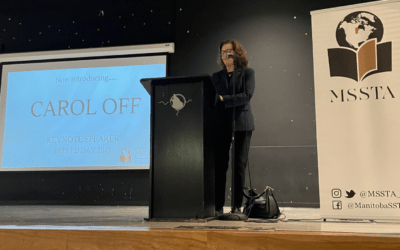
MSSTA (Manitoba Social Sciences Teachers’ Association) MTS PD Day
On Friday October 24th, MSSTA held our annual MTS PD event at Chief Peguis Middle School in Winnipeg. Over 300 educators from across the province took part in over 50 concurrent sessions delivered by teachers, non-profit organizations and experts on a variety of topics related to teaching all levels of Social Sciences courses. Additionally, over 40 organizations provided displays to help educators engage and support students in the Social Sciences.
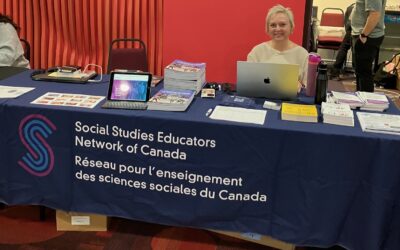
AQEUS conference
In early December, the Quebec Association for Social Studies Education (AQEUS) held its annual conference in Rivière-du-Loup. The event brought together nearly 200 participants in person, with about ten more joining online. In an educational context marked by numerous organizational and budgetary challenges, this gathering nevertheless allowed the social studies community to come together, exchange ideas, and reflect collectively on teaching practices.
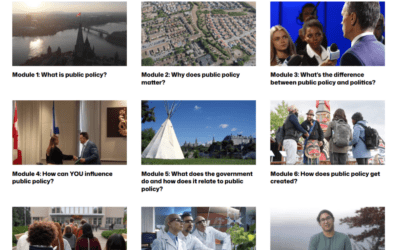
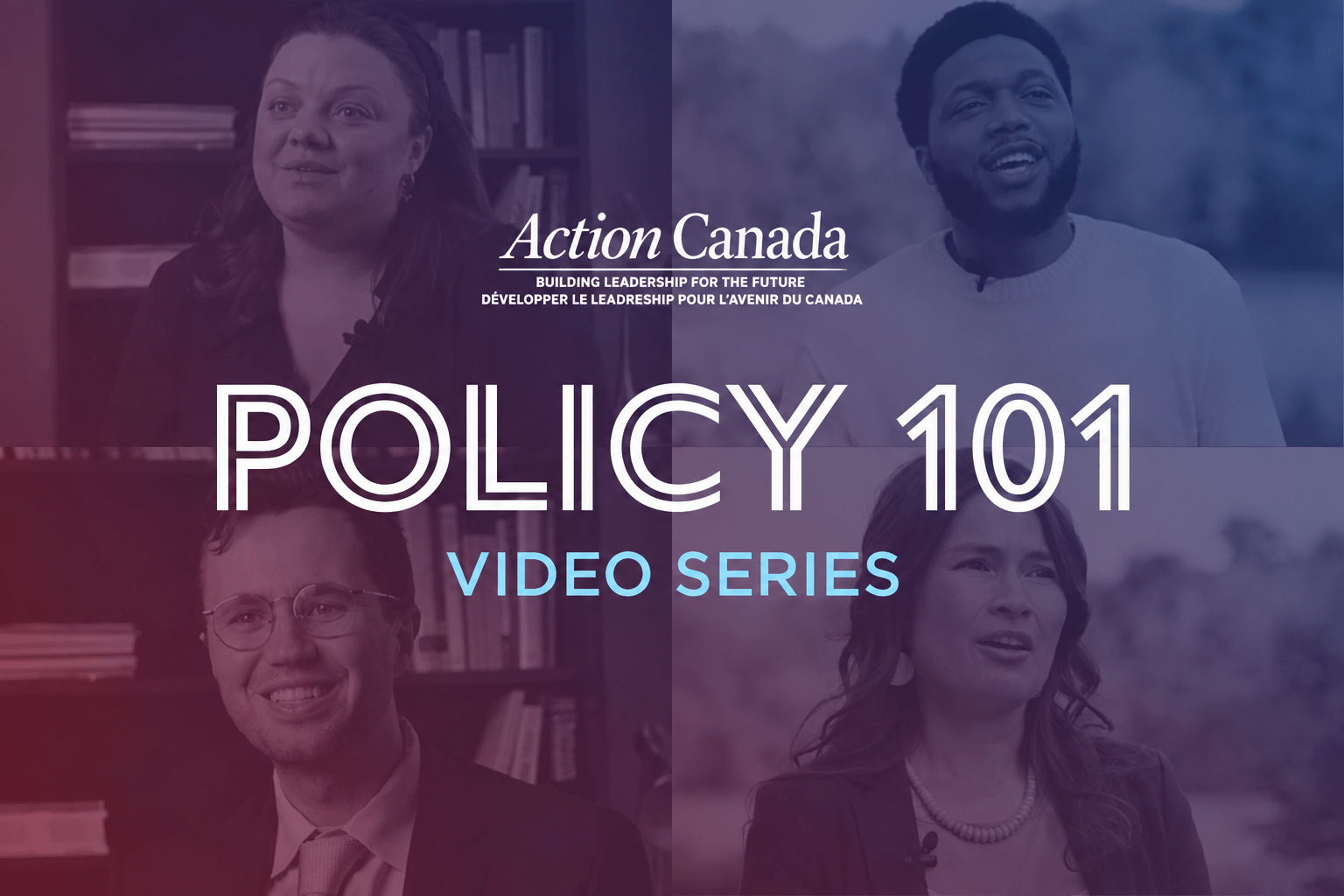
Politics 101: Equipping Youth to Understand and Shape Public Policy
In a context where social, economic, and environmental issues are becoming increasingly complex, it is essential to equip young people with the tools to understand how public decisions are made — and how they can take part in them. This is precisely the goal of the Politics 101 program, developed by Action Canada for Youth Engagement.
CCLET: Bernard Chernos Contest
Each year, the Canadian Civil Liberties Education Trust (CCLET) presents a nation-wide high school essay/video contest to commemorate the work of Bernard Chernos. Student entries address pressing and timely civil liberties issues in Canada. Entries can be submitted either as essays or as videos for a chance to win cash prizes of up to $750!
President’s Message: Winter 2025
Fall is always busy as our member associations put on professional learning opportunities in British Columbia, Manitoba, Quebec, Nova Scotia and Prince Edward Island. Attending a provincial social studies conference can help you connect with the resources that you need, but most of all it can help you to connect with teachers across your province who can inspire you to try new things, and to help your students to engage with their own histories and their own communities.

Guardians of Democracy
While Alberta teachers rightly focus on their ongoing labour action, the province’s recent (albeit rescinded) attempt to remove books from school libraries points to a larger pattern that reaches beyond Alberta. The Social Studies Educators Network of Canada (SSENC) remains deeply concerned by these growing efforts to restrict what can be taught and read in Canadian classrooms.
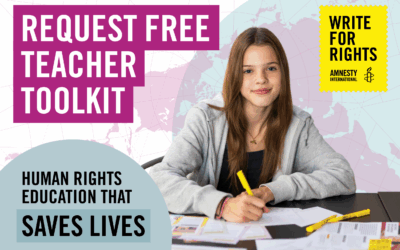
Amnesty International
Amnesty International Canada is part of a global movement defending human rights through research, advocacy, and grassroots action. We work with students and educators to promote justice, equality, and solidarity — and to show that young people can be powerful agents of change.

Follow up to the AGM
SSENC/RESSC held its AGM via ZOOM in September and selected the heart of our leadership, the table officers, a dynamic team representing diverse regions of Canada who work collaboratively to guide the network’s vision and initiatives.
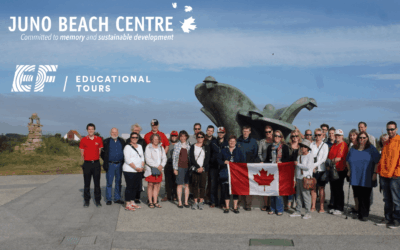
Juno Beach Centre
Teaching history can be hard-how do we engage our students with lessons of our past when we have not lived this experience? Juno Beach offers this opportunity for educators across our country.

Canada’s History Heritage Fairs
Since 1993, Heritage Fair has encouraged young people across the country to engage in the history of our country.
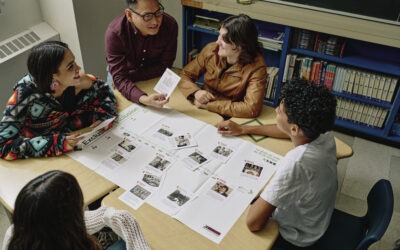
Elections Canada
Spark meaningful conversations about elections and democracy
The Civic Education Program at Elections Canada provides free learning resources, student-friendly information and professional development opportunities to support educators in teaching about elections and democracy at any time, not only during an election.

LES DÉCRYPTEURS (The Codebreakers)
Les Décrypteurs are a team of journalists who aim to combat misinformation in order to help citizens, young and old, to distinguish what is true and what is false among the information circulating on social media.
These are our archived issues of Salon, our newsletter.

